Two teams kill story points in the same week. Both have the same flow data sitting in their work tracker, an afternoon away from a cycle-time scatterplot and a forecast. Neither is short of an instrument.
The first one falls apart anyway. The scatterplot is right there, and the team doesn’t believe it. They’ve trusted the velocity number for two years, and they trust this “new” honest one for about a day. Anxiety floods the gap between losing the old reassurance and earning the new one; someone quietly starts keeping the old number on a private spreadsheet for comfort, and within a month, leadership has decided this flow thing doesn’t work.
The second one exhales. Same scatterplot, same forecast, but this team had been watching those signals predict reality for a couple of months before anyone touched estimation. The fake number had been masking a slow rot in their cycle times, and once it went away, they finally had to look at how long things actually took. They don’t like what they see, and that’s the first useful Tuesday they’ve had in months.
Same move, same tooling, but opposite outcomes. The difference came down to whether the team trusted the new number yet, and that’s the part the standard change-management advice fumbles.
The advice that’s half right#
It goes like this - a ritual does two jobs: the operational one written on the tin, and an emotional one nobody wrote down. Story points produce a velocity number (operational) and the reassurance that “we’re okay” (emotional). When you bin the ritual, you bin both. So build the replacement before you cut the old thing loose, run the new signals in parallel, let confidence in the new thing outgrow reliance on the old thing, and trade up slowly.
Most of that is right. But the word “build” hides the whole problem, because it makes the replacement sound like construction work that takes weeks. The metric isn’t construction work. The events are already in your tracker. Point a tool at them, and you have cycle time, throughput, ageing and a forecast before the kettle boils. The instrument is never the thing that takes the time.
So when a transition stalls on “we’re not ready, we need to build the metrics first,” be suspicious. The metrics are an afternoon away, and everyone in the room knows it. “We need to build the metrics first” is usually not a tooling problem. It’s a comfort: a procedural delay that lets the team put off the actual hard part, which is giving up a reassuring fake number for an honest one they don’t trust yet. The tooling excuse is itself an anaesthetic.
Strip away the excuse, and you can see what the parallel-running period was ever for: earning the team’s belief in a tool that already exists. Which means the only thing you are ever really replacing is the emotional job. And here the standard advice quietly assumes something false: that every emotional job is worth replacing.
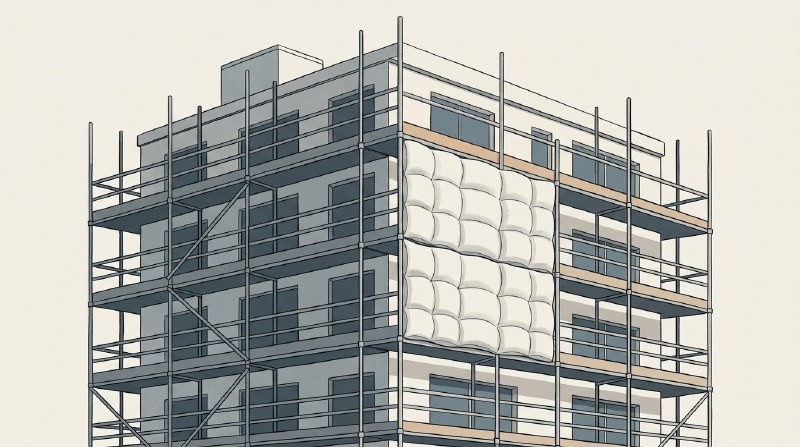
It’s good advice for half of them. For the other half, it’s a recipe for re-numbing a team that needed to wake up. Some comforting rituals are holding the building up. Some are taping the team’s eyes shut, and you do not treat those the same way.
Two kinds of comfort#
Scaffolding comfort holds real function up. Remove it, and the team loses the ability to do something genuine: coordinate with stakeholders, set expectations, and make a decision. The velocity number was fake, but it was the only language the team and the business shared for “when.” Pull it before the team trusts the replacement and a real capability goes with it. The wobble is real loss.
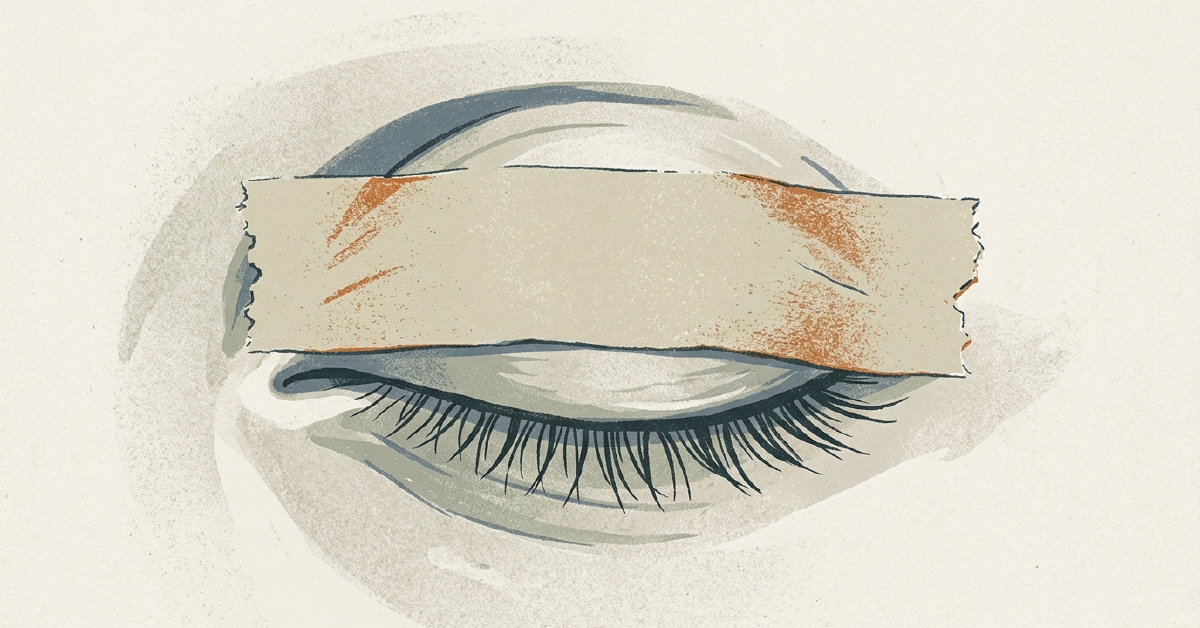
Anaesthetic comfort tapes the team’s eyes shut. Remove it, and the team loses nothing real. What they lose is the ability to look away from something they should have been looking at for months. The green dashboard that let everyone ignore creeping cycle times. The “Done” column that delivered a hit of completion while outcomes quietly flatlined. The average time that read healthy because it buried the long tail where the actual suffering lived.
Here is the test in a single question: When you take the comfort away, does the team lose the ability to do something, or only the ability to not see something?
Lose the ability to do something: scaffolding. Replace it first.
Lose the ability to look away: anaesthetic. The discomfort is the intervention. Replace it too smoothly, and you have just installed a fresh anaesthetic with better branding.
The prescriptions invert#
For scaffolding, the gentle-transition playbook is exactly right, and this is where the replacement mapping earns its place. The team needs each job that the old ritual was quietly doing, handed over before you take the old one away. The signals below take an afternoon to stand up. What takes time is the team coming to trust them.
- A new sense of certainty: “70% of items like this finish in 5 days or less, based on the last 90 days of work we shipped.” A forecast does the reassurance job that velocity was faking, without the fake precision.
- A new sense of progress: cycle time reducing, throughput holding steady, ageing items being dealt with instead of rotting in column three. A signal that moves so they can feel movement.
- A new sense of control: WIP limits they set, swarming the stuck item instead of starting a new one, and a five-minute flow check-in that catches problems while they’re small.
Stand those up, then leave them running where the team can watch them predict reality, week after week, while the old number is still there to fall back on. The parallel period isn’t construction time. It’s the time it takes for the new signal to become believable. Only when confidence in it has outgrown reliance on the old number do you let go of the old comfort. The instrument is quick. The trust is slow. Don’t confuse the two.
For anaesthetic, you do close to the opposite, and it’s worth being precise about what that does and doesn’t mean. It does not mean pushing the team off a ledge. A ledge is removing scaffolding with nothing underneath and no warning: a real capability gone, no agency, the team finding out by falling. That damages trust, and it should. You never engineer that.
Removing an anaesthetic isn’t a ledge, because no capability moves. The team can still coordinate, forecast, and decide. What changes is that a truth the ritual was muffling, the cycle-time scatter they were avoiding, the ageing chart, the long tail the average was hiding, is now visible instead of hidden. The floor is still there. They’re looking at an uncomfortable number, and the discomfort is the data doing its job. That’s discomfort they can act on, not fear imposed on them.
So the move is restraint, not cruelty: stop hiding the truth, keep every real capability intact, stand next to the team and name what they’re looking at, and then don’t rush to make them comfortable about it. The mistake is reaching for a soothing replacement the moment the room goes quiet. Do that, and you’ve spent effort making them comfortable about a problem you needed them to be alert to. The thing you put in place of an anaesthetic is a true signal they can respond to.
The trust argument cuts the other way here, and this is the part that so often gets missed. The breach of trust isn’t removing the anaesthetic - it’s the anaesthetic itself. A team kept calm by a green dashboard while delivery quietly degrades has been misled, usually by people who meant well, and when it surfaces, and it always surfaces, the wound is “why did everyone act like this was fine?” Letting the true number show treats the team as adults. Maintaining the comfortable fiction is what actually costs you their trust.
This is the part no “manage the transition gently” post will tell you, because the entire genre treats all comfort as worth preserving. Chesterton’s fence says don’t remove what you don’t understand the purpose of. Fair. But some fences are blindfolds, and “I don’t understand why this is here” is sometimes the correct prelude to taking it down rather than a reason to leave it standing.
Most rituals are both at once, and that’s the real skill#
Velocity is the awkward case, because it does both jobs at the same time. It is scaffolding for stakeholder coordination and anaesthetic for the team’s avoidance of cycle-time truth. Treat it as purely one or the other, and you get it wrong in opposite directions: replace the whole thing smoothly and you re-numb the team, rip the whole thing out, and you break the conversation with the business.
The honest move is to split the jobs and handle each on its own terms. Replace the scaffolding job, give stakeholders a real probabilistic forecast they can plan against, while deliberately not replacing the anaesthetic job. Let the team sit with what their actual flow data says. You are putting the load-bearing piece back and letting the blindfold drop in the same week, and those are two different decisions wearing one ritual’s clothes.
That’s the work: figuring out which emotional jobs deserve to be replaced and which deserve to be removed, because they live within the same ritual and point in opposite directions.
Four questions before you kill a ritual#
- When this goes, does the team lose the ability to do something, or only the ability to not see something?
- Which is it doing more of right now: holding real function up, or taping their eyes shut?
- If it’s scaffolding, what signal does the same emotional job honestly, and is it standing yet?
- If it’s anaesthetic, what truth has it been muffling, and am I willing to let that truth show rather than reach for something soothing to replace it?
Answer one and two, and you know which playbook you’re in. Most failed migrations are just the wrong playbook: a team running the scaffolding playbook on an anaesthetic, or the anaesthetic playbook on scaffolding, then surprised when the building either sways or stays comfortably asleep. The new system was rarely the problem.
If you’ve taken a comforting ritual away from a team and watched them either wobble or wake up, I’d love to know which it was, and whether you could tell in advance. That’s the call I still get wrong.